Recharge New Mexico is pleased to spotlight the growing group of participants in our statewide EV leaders program. Recognition partners include Recharge America, Xcel Energy, and additional groups of leaders and communities from across New Mexico.
Electric vehicles offer a range of benefits to their owners and the communities that house them. Unfortunately, many of these benefits are unfamiliar to most people, and some are difficult to quantify. As electric vehicles increasingly become the mainstream option for drivers, a full accounting of the economic opportunity afforded by the transition will be important to track.
The following is an overview of how to begin thinking about those benefits and their value for communities in Colorado.
Garberson Andrew. 2024. A study of EV driving ranges by state finds an overlooked stat. Recurrent.
Zachary Needell, WeiWei, Jessika E.Trancik. 2023. Strategies for beneficial electric vehicle charging to reduce peak electricity demand and store solar energy. Institute for Data, Systems, and Society, Massachusetts Institute of Technology.
Sharma Anjali, Shiwang Jinyu, Lee Anna and Peng Wei. 2023. Equity implications of electric vehicles: A systematic review on the spatial distribution of emissions, air pollution and health impacts. Ashank Desai Centre for Policy Studies, Indian Institute of Technology, Department of Civil and Environmental Engineering, The Pennsylvania State University, Department of Geosciences, The Pennsylvania State University, School of International Affairs, The Pennsylvania State University.
Haghania Milad, Spreib Frances, Kazemzadehb Khashayar, Shahhoseinic Zahra, Aghaeid Jamshid. 2023. Trends in electric vehicles research. Centre for Integrated Transport Innovation (rCITI), School of Civil and Environmental Engineering, The University of New South Wales; Department of Space, Earth and Environment, Chalmers University of Technology, Transport for NSW, School of Engineering and Technology, Central Queensland University.
International Energy Agency. 2023. Global EV Outlook 2023.
Davis Stacy C., Boundy Robert G. 2022. Transportation Energy Data Book. Oak Ridge National Laboratory.
Romero-Lankao Patricia, Wilson Alana and Zimny-Schmitt Daniel. 2022. Inequality and the future of electric mobility in 36 U.S. Cities: An innovative methodology and comparative assessment. National Renewable Energy Laboratory.
Naumov Sergey, Keith David R., Sterman John D. 2022. Accelerating vehicle fleet turnover to achieve sustainable mobility goals. MIT Sloan School of Management.
LaMonaca Sarah, Ryan Lisa. 2022. The state of play in electric vehicle charging services – A review of infrastructure provision, players, and policies. UCD Energy Institute.
Gohlke David, Zhou Yan, Wu Xinyi, and Courtney Calista, 2022. Assessment of Light-Duty Plug-in Electric Vehicles in the United States. Energy Systems and Infrastructure Analysis Division, Argonne National Laboratory.
The cost of gasoline is miles/year/miles/gallon × dollar/gallon = dollars/year
The cost of electricity is miles/year/miles/kWh × dollar/kWh = dollars/year
Using this framework, we find that the average annual fuel savings per year is $970.
EV maintenance costs are 0.061 cents per mile versus ICE maintenance costs of 0.101 cents per mile. EV maintenance is 0.04 cents lower per mile. The average New Mexico car travels 18,283 miles per year, and so will save $731 per year on maintenance.
In recent years, the shift towards Zero Emission Vehicles (ZEVs), encompassing Battery Electric Vehicles (BEVs) and Plug-in Hybrid Electric Vehicles (PHEVs), has been recognized not only for its environmental benefits but also for its significant potential to reduce health-related costs associated with air pollution. Studies anticipate that a nationwide transition to electric vehicles could yield between $84 billion and $188 billion in health care and productivity savings by 2050. This projection is grounded in the reduction of pollutants that contribute to respiratory diseases, heart conditions, and premature deaths.
Assuming a progressive increase in EV adoption, reaching a milestone of 50% of all vehicles in the U.S. being electric by 2050, we estimate this would represent about 137.5 million EVs, given the current total of approximately 275 million registered vehicles.
Using the midpoint of the projected health savings range — approximately $136 billion — and dividing by the estimated number of EVs yields an annual health savings of approximately $989 per vehicle. This figure underscores the economic incentives for accelerating EV adoption, beyond the imperative of environmental preservation. It highlights tangible healthcare cost savings, emphasizing the role of EVs in fostering a healthier future.
Note that the information provided in this analysis is based on projections. Actual outcomes may vary based on numerous factors, including technological advancements, government policies, consumer preferences, infrastructure development, and economic conditions.
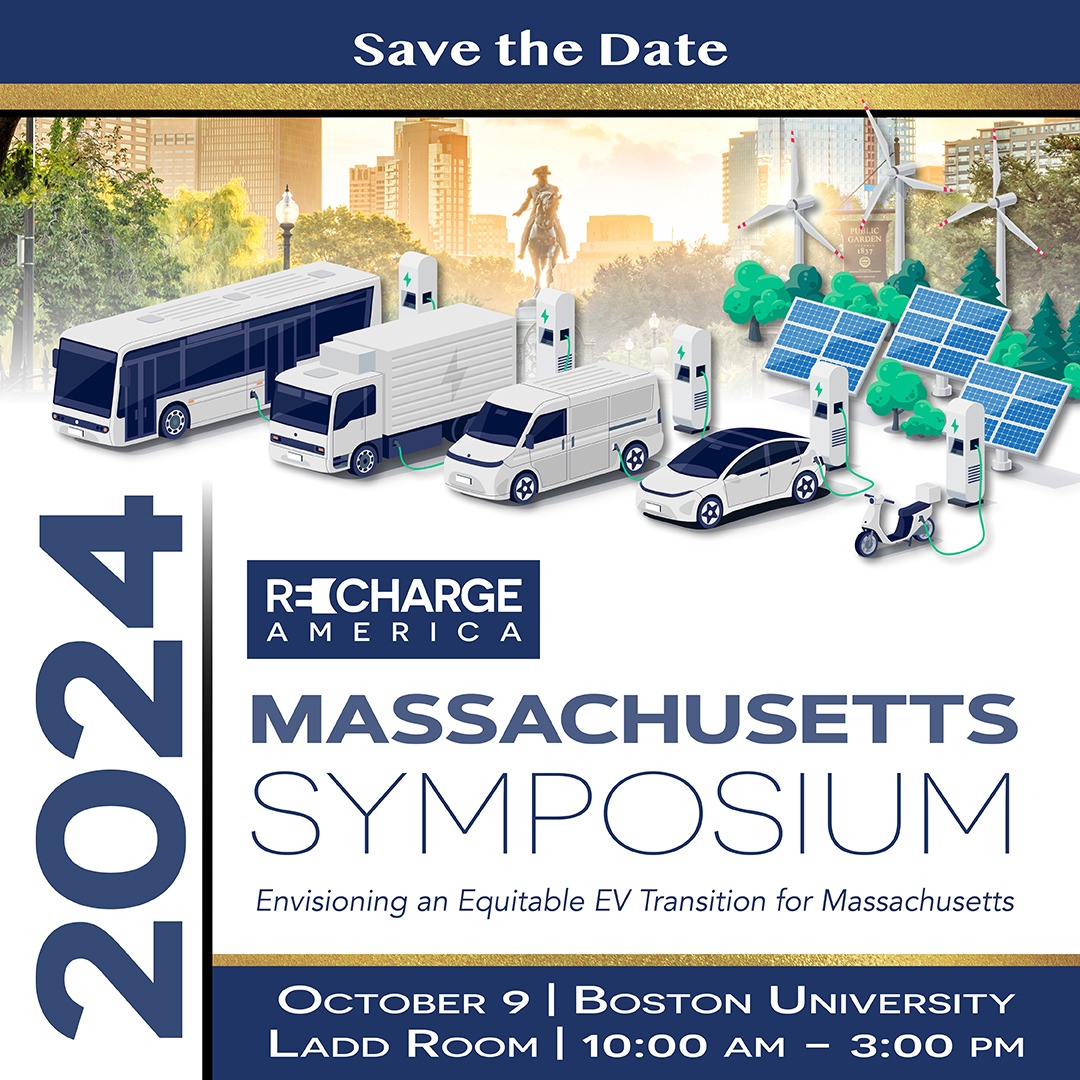
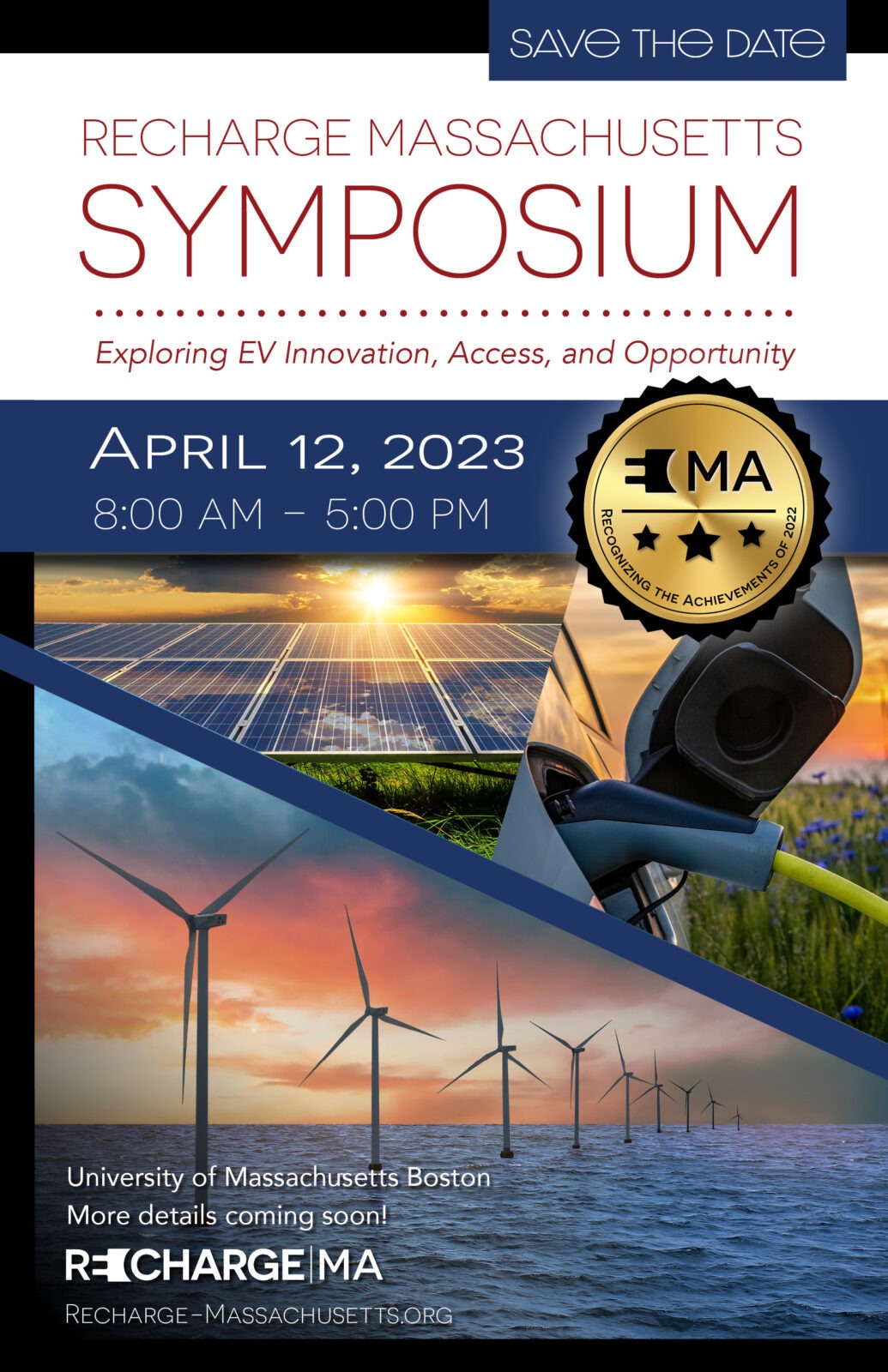
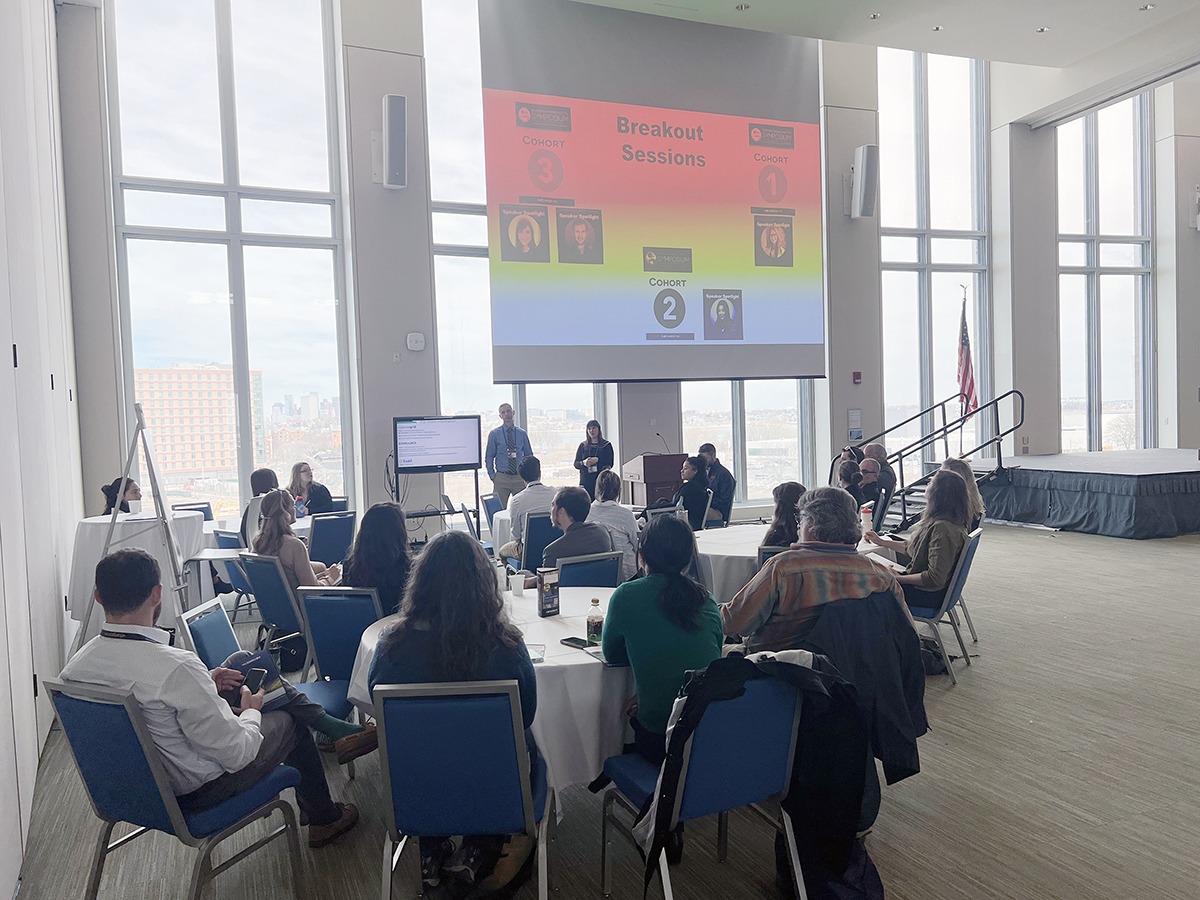
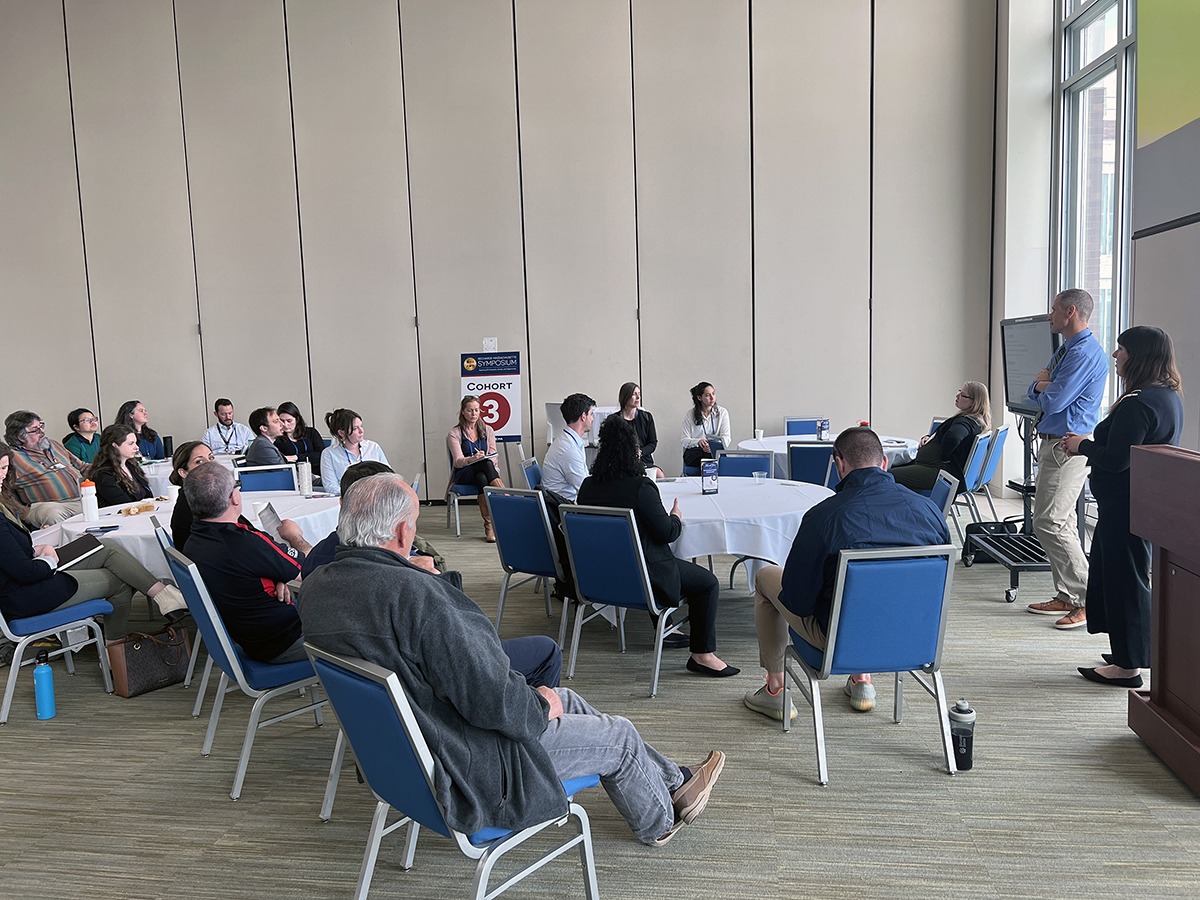
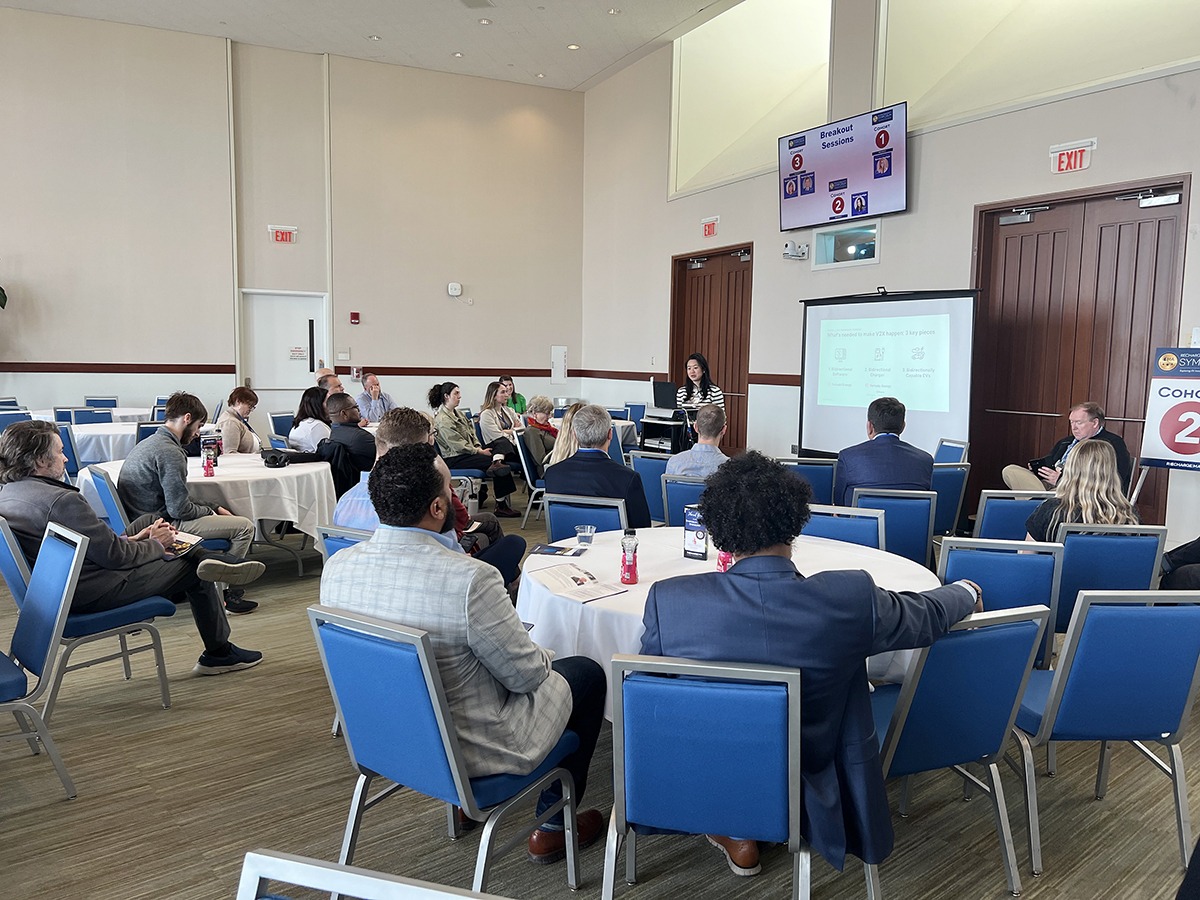
Join us for our Annual Symposium at the Ladd Room, Boston University.
This year’s theme is Envisioning an Equitable EV Transition for Massachusetts.
We look forward to exploring these topics with you and building a plan for the future of electrification in Massachusetts.
The program is centered around Elevating the Doers – meaning that it will be led by the changemaking voices of private and public business, organizations, institutions, and communities who are leading the charge in innovating, solving, and implementing the transportation electrification transition.
In addition to recognizing and celebrating progress made by Recharge Massachusetts participants, the symposium will take attendees through key technological advances, planning frameworks to ensure equal access to adoption, and spotlight the opportunities created in both workforce and economic development throughout the state.
Massachusetts is making significant progress in transportation electrification and this progress is tightly linked with the broader energy transition. Demand management strategies, renewable energy sources, energy storage and supportive policies are essential elements of the infrastructure change needed to support electric vehicle adoption. Attendees will have the opportunity to explore how transportation electrification and renewable energy reinforce each other in securing equitable economic prospects for everyone in Massachusetts.
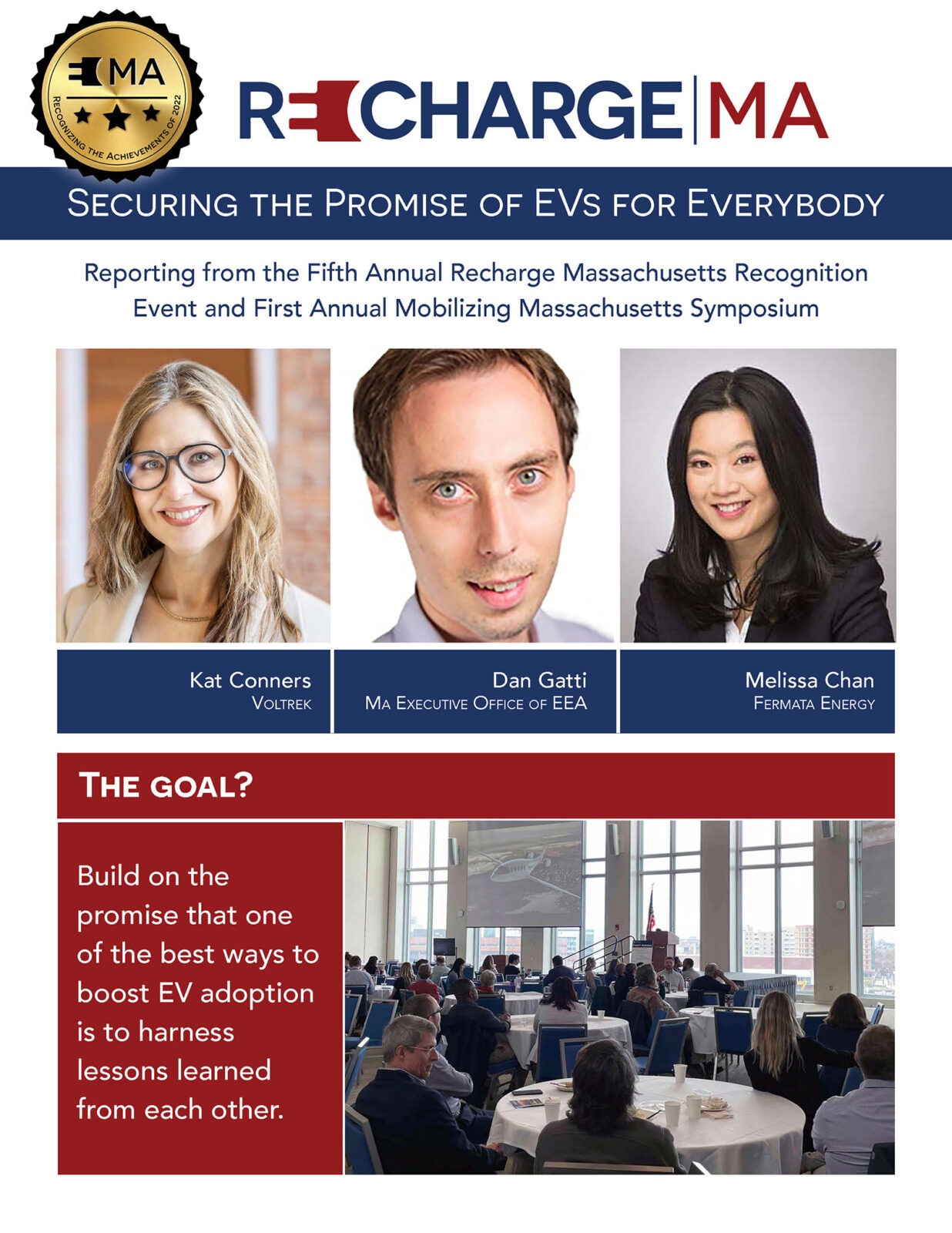
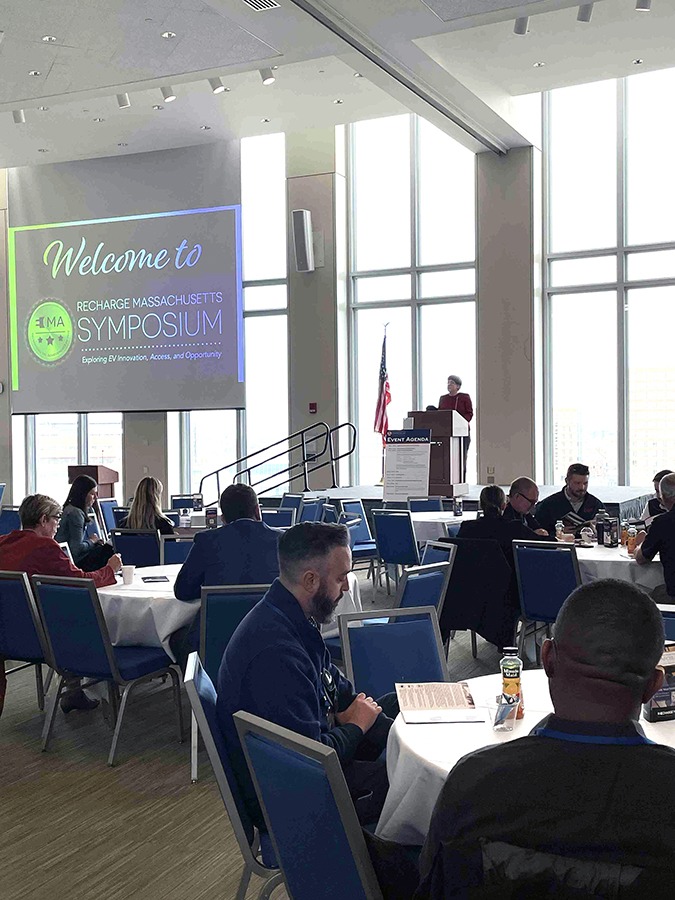
Recharge Massachusetts highlighted our Participants efforts in 2022 moving Massachusetts into a more green and electrified direction.
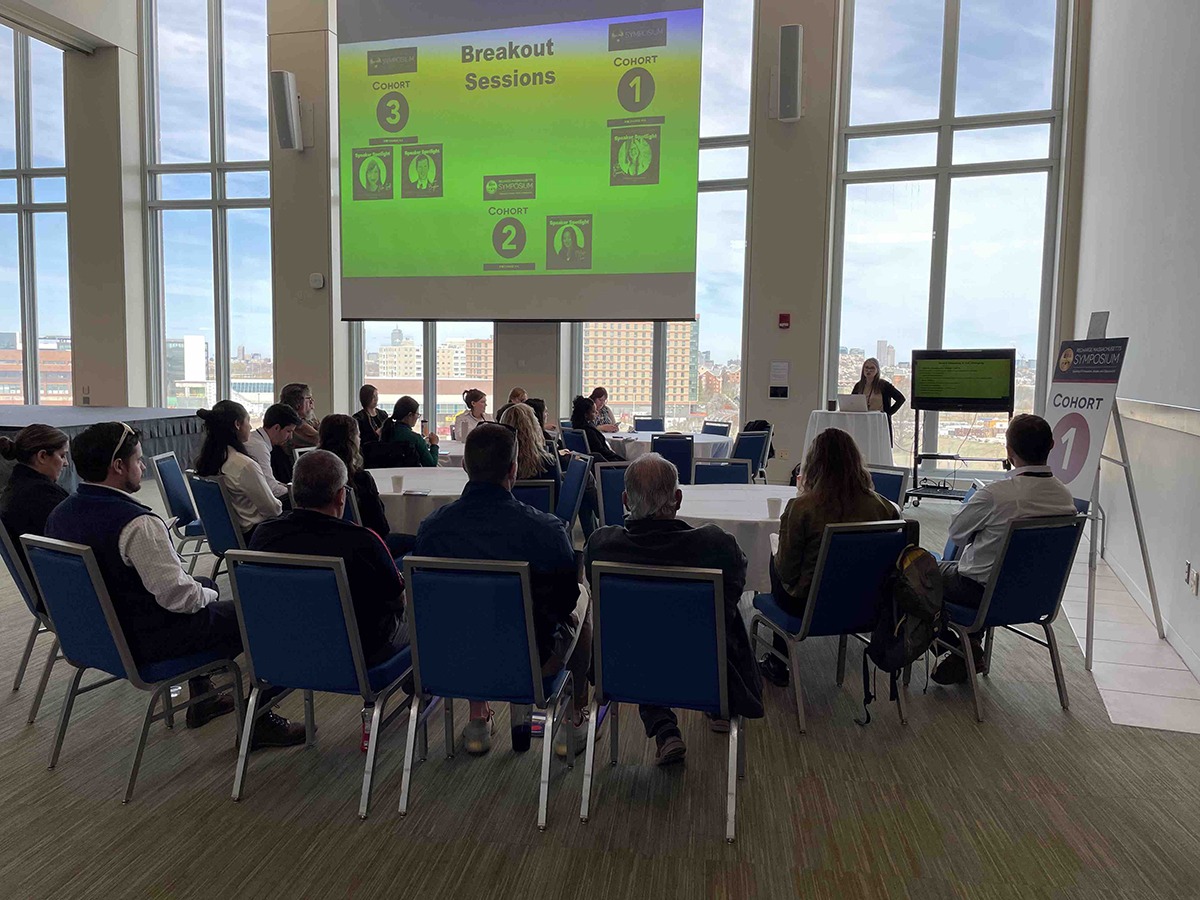
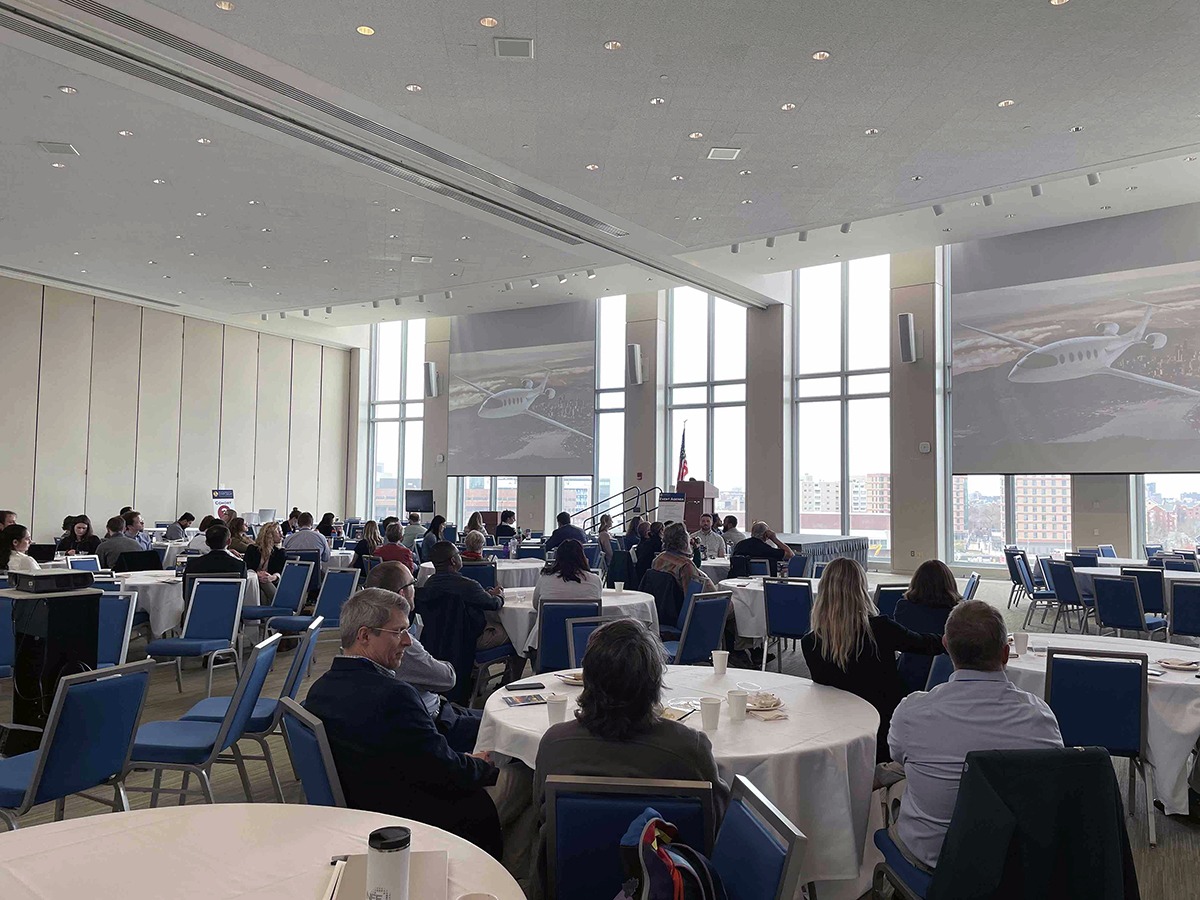
We featured our Participants at the first annual Recharge Massachusetts Symposium, where we heard from state leaders how they’re working to meet the clean air goals and how they’re working to ensure that no one gets left behind in the transportation electrification transition.